
Need Faster Connections? Fiber Optics Might Be the Missing Link
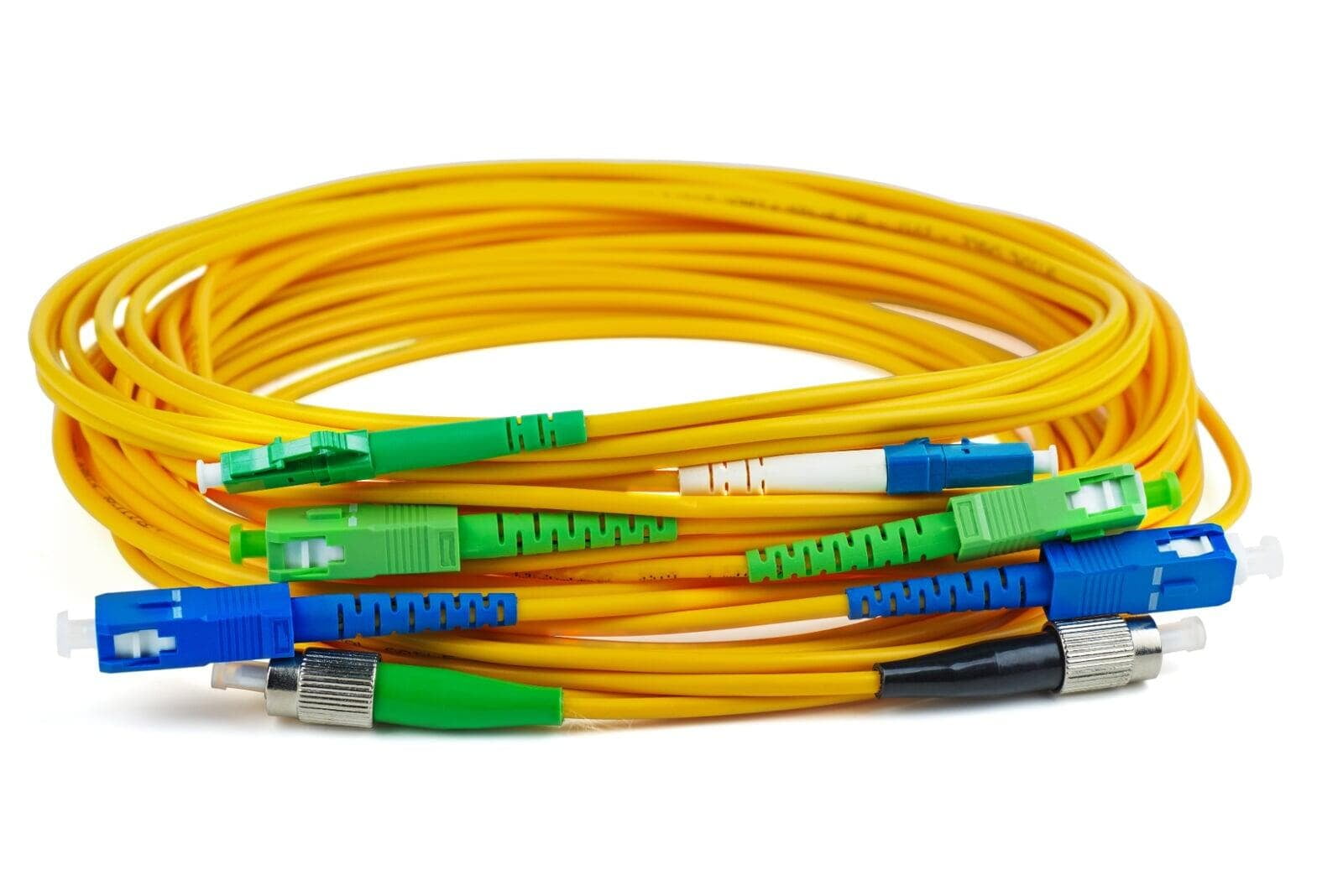
When your business needs to move large amounts of data quickly, your network infrastructure matters. Your switches may be fast, your servers may be powerful, and your internet connection may be excellent, but if the underlying cabling can't keep up, your network can still hit a bottleneck.
That's where fiber optic cabling comes in.
Fiber optics use strands of glass or plastic to transmit data using light rather than electrical signals. The result is a high-speed communication method that can support demanding business networks, connect different areas of a facility, and provide the infrastructure needed for future growth.
5 Signs Your Business Could Benefit From Fiber Optics
1. Your network has to move a LOT of data
Large file transfers, cloud applications, video conferencing, backups, virtualization, security systems, and other business applications can put significant demands on your network. If your network is constantly moving large amounts of data, fiber optic infrastructure can provide the high-bandwidth connectivity needed to support these workloads.
2. Your network needs to cover long distances
Copper cabling has distance limitations. If you're connecting network equipment across a large facility or between buildings, fiber optics can be a practical solution for longer-distance network connections. Instead of trying to stretch copper beyond its ideal operating range, fiber can provide a reliable way to connect distant network locations.
3. You're connecting multiple buildings
Got more than one building?
Running network connectivity between buildings can introduce additional challenges. Fiber optic cabling can be used to create high-speed links between buildings and connect separate network environments into a cohesive infrastructure. It's particularly useful for campuses, offices, warehouses, schools, healthcare facilities, and other sites with multiple buildings.
4. You want your network ready for the future
Nobody wants to install network infrastructure today only to replace it again when the business grows. A properly planned fiber optic installation can provide a strong foundation for future network upgrades and increasing bandwidth requirements. Think of it as preparing the highway before the traffic arrives.
5. Your copper cabling is becoming a limitation
Copper cabling remains an important part of many business networks, but it isn't the right solution for every connection. A well-designed network may use both copper and fiber, with each serving a different purpose. Fiber can be used for high-speed backbone connections while copper cabling connects devices such as computers, phones, printers, and access points.
So, What Exactly Is Fiber Optic Installation?
Fiber optic installation involves planning, installing, terminating, testing, and documenting fiber optic cabling as part of a network infrastructure. It's more than simply pulling a fiber cable from Point A to Point B.
Proper installation requires attention to cable routing, connectors, termination, bend radius, protection, testing, labeling, and the environment in which the cable will operate. A poorly installed fiber connection can create problems just like any other network infrastructure.
Not all fiber is the same. Two common types are single-mode fiber and multimode fiber.
Single-mode fiber is generally used for longer-distance communication, while multimode fiber is commonly used for shorter-distance applications such as connections within buildings and data centers. The right choice depends on factors such as distance, bandwidth requirements, network equipment, and the environment where the fiber will be installed. hat's why choosing fiber shouldn't simply be a matter of picking whatever cable is available.
Fiber Installation Tip: Don't Forget the Testing 🔍
One of the most important parts of a professional fiber optic installation happens after the cable is installed. Testing can help verify that the fiber link is performing as expected and identify issues such as excessive loss, damaged components, poor terminations, or other problems. Proper testing and documentation also make future troubleshooting much easier.
Keep Your Fiber Organized
Fiber optic cabling may be small, but that doesn't mean it should be treated casually. Proper cable routing, labeling, protection, and management help keep your infrastructure organized and make future maintenance easier. A clean network rack isn't just about looking professional. it can make it much easier for technicians to identify connections and troubleshoot problems.
A Quick Fiber Optic Tip
Don't choose fiber based on speed alone.
Before installing fiber, consider:
- How far the connection needs to travel
- Required bandwidth
- Single-mode vs. multimode requirements
- Existing network equipment
- Indoor or outdoor installation
- Future expansion
- Testing and documentation requirements
Planning the infrastructure first can help prevent costly changes later.
Need Professional Fiber Optic Installation?
Annexus Technologies provides professional fiber optic installation and network cabling services to help businesses build reliable, high-performance network infrastructure. Our services can include fiber optic cabling installation, network backbone connections, fiber termination, testing, cable management, labeling, and integration with existing network infrastructure.
If you're unsure whether your existing network is ready for an upgrade, you don't have to guess. Our structured cabling assessment can help identify potential issues, evaluate your current infrastructure, and determine whether fiber optics, copper cabling, or a combination of both is the right solution for your business.